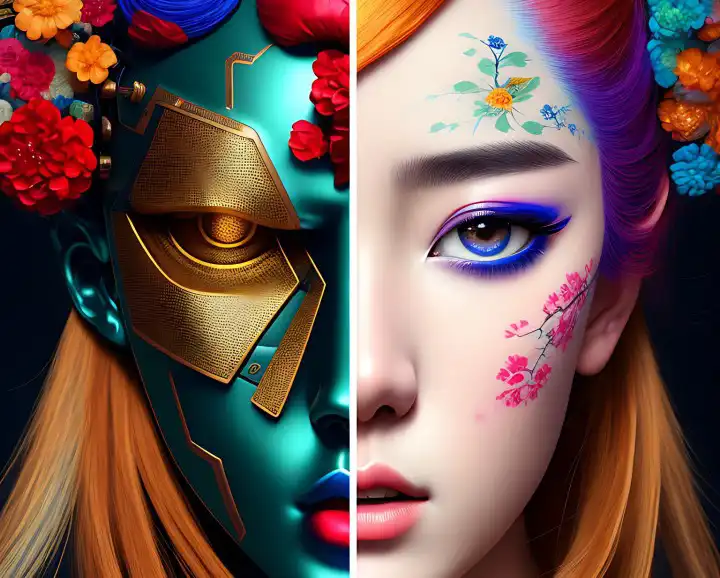
In a world where algorithms shape our preferences and data increasingly overshadows human emotion, dialogue between nations no longer flows primarily through politics or trade. A new arena of cultural interaction has emerged—one in which technology, storytelling, and culture are deeply intertwined, redefining the meaning of cultural diplomacy. From global streaming platforms to generative artificial intelligence, these systems actively influence how beauty, values, and identity are perceived worldwide. The central question is clear: how can technology enhance intercultural connection without allowing the human soul of culture to dissolve into cold data logic?
Algorithms are not neutral. They rely on data produced by humans—data infused with biases and hidden narratives. When a machine reflects only a single language or cultural perspective, it inevitably reproduces a limited worldview. Consequently, the future of cultural diplomacy increasingly resembles a battle of digital narratives, where nations compete not for territory, but for perception and image.
In this landscape, science and art function as the two essential wings of modern cultural diplomacy. Science provides structure and explanatory power; art preserves imagination and emotional resonance. History confirms that whenever logic and creativity have converged—from the Renaissance to the space age—civilization has advanced through transformative leaps. Today, when artworks are reimagined through artificial intelligence or language models capture subtle tonal differences across cultures, new pathways for intercultural dialogue emerge. The cultural diplomat of the future must therefore master not only language and history, but also data logic, as tomorrow’s diplomacy will be both intercultural and computational.
Countries are already experimenting with this convergence. The European Union’s Digital Europe initiative supports artists and researchers in algorithm-driven creation. South Korea employs virtual reality to open its museums to a global audience, while France and Japan have transformed “art and data” exhibitions into instruments of soft power. These experiences allow audiences to encounter beauty and knowledge simultaneously, fostering a deeper and more humane understanding of the host culture. With its vast historical and artistic heritage, Iran too could play a significant role in this emerging field—if it shifts from mere display to genuine digital storytelling.
Yet technology also presents ethical challenges. When algorithms decide what becomes visible and what fades into silence, cultural justice is at risk. Entire languages and narratives can be marginalized before they are even heard. This concern motivated UNESCO to introduce its AI Ethics framework in 2022, emphasizing that cultural equity must be embedded in technological design. Above all, humans must remain central to cultural processes. When music, imagery, or narratives are distributed solely according to popularity algorithms, creation gives way to repetition.
Ultimately, the contemporary world needs dialogue more than ever—but this dialogue is no longer ceremonial or purely linguistic; it is digital. The cultural envoy of the twenty-first century must be capable of extracting human stories from data and acting as a translator between humans and machines. In an age where machines can think, it is culture that preserves emotion—and defines the future boundaries of cultural diplomacy.

